
The Wise Stand for Seniors: Why They Decline Prescriptions to Take Better Control of Their Health


Across the country, a quiet shift is taking place in exam rooms: Senior students are starting to say “no” to doctors. Not a test, not a screening, but a prescription that the doctor insisted on. From statins to antidepressants to expensive injections, older Americans are questioning whether the medications being foisted on them are truly necessary or just part of a system that places too much emphasis on profit over personalized care.
This growing trend isn’t just about saving money or avoiding side effects. It’s about autonomy, distrust and decades of accumulated experience in the health care system. For many seniors, their rejection isn’t reckless—it’s calculated. This raises serious questions about the state of elder care in the United States.
Polypharmacy is pushing seniors to the edge
People over 65 take an average of 4-5 prescription drugs per day, with many taking more than 10. This phenomenon is called polypharmacy, The medical community has normalized it, but older adults themselves are increasingly resisting the practice. Many people report feeling like guinea pigs given a series of medications that don’t interact well, make them feel worse, or cause new problems that then require more medication.
For decades, older adults have been taught to trust their doctor’s orders without hesitation. But now, after years of trial, error and hospitalizations for adverse drug events, many are choosing a different path. They are cutting back. They are rejecting new prescriptions. Some even quit altogether.
In their view, more medicine doesn’t always mean better health. This often means more confusion, fatigue, dizziness, and hospital visits.
Side effects are downplayed or ignored
One of the most common complaints from older adults who refuse prescriptions is that they were not adequately warned of the risks. Side effects such as memory loss, muscle weakness, insomnia, or sexual dysfunction are often considered “normal aging” rather than related to the drug itself. Many older patients report being told that their symptoms are “in their head” or “atypical,” even though they clearly started experiencing symptoms after starting a new medication.
The firing eroded trust. Now, older adults view new prescriptions with appropriate skepticism. They’re reading the fine print. They are side effects of Google searches. They talked to their peers and discovered how many people were suffering in silence.
The result? Few people would blindly fill a prescription at the end of a 10-minute appointment.
Older people are more informed than ever and no longer willing to blindly obey
Thanks to the Internet, podcasts, patient advocacy groups and their own life experiences, today’s seniors are more savvy than previous generations. They are researching ingredients, drug interactions and alternative treatments. Many people are using tools like the Beers Criteria, a list of medications that may not be suitable for older adults, to guide their decisions. What they find is often disturbing.
They learned that certain drugs, such as benzodiazepines or certain diabetes medications, that had been heavily promoted for decades were now discouraged because of serious risks. They are learning about profit-driven prescribing patterns and the influence of big pharmaceutical companies on treatment guidelines. Most importantly, they realize they have Options— and the right to object.
Cost is a factor, but not the only one
Even with insurance, prescription drugs are expensive. Many seniors on fixed incomes are being asked to spend hundreds of dollars each month on medications they may believe don’t work or make them feel worse. Not surprisingly, some people decline because they can’t afford the hassle of additional copays, deductibles, or prior authorization.
But interestingly, the cost is often middle school concern. In many interviews and surveys, older adults highlight their health, independence, and sense of control as their top reasons for rejecting new medications. They are tired of being told to “just accept this” without meaningful discussion of alternatives. They want choices, not marching orders.
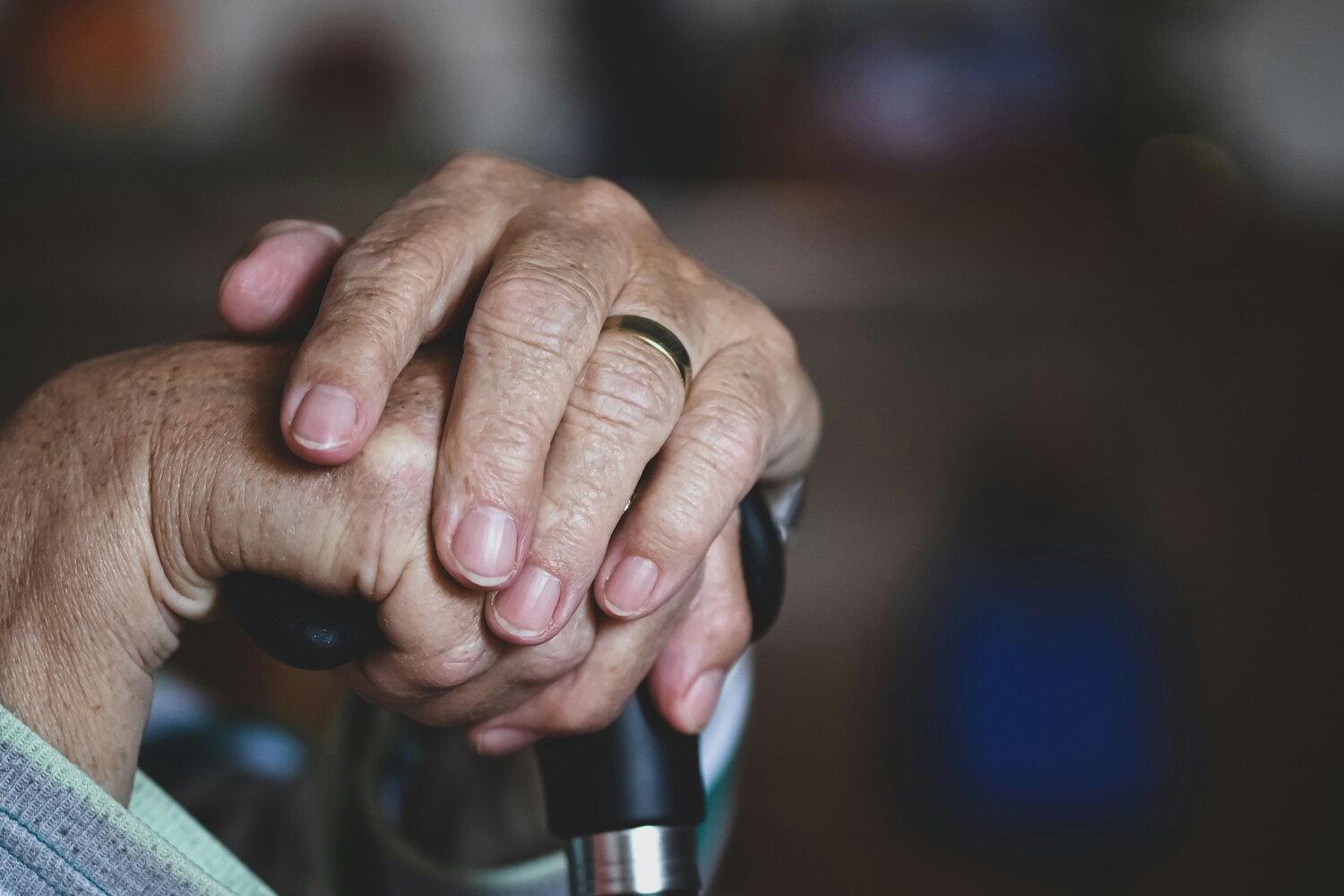
The rise of holistic and lifestyle-based alternatives
Another reason seniors give up prescription drugs? They are taking alternative approaches. In some families, walking clubs, tai chi classes, dietary changes, meditation and supplements are replacing medications. In many cases, these approaches are producing real results — lower blood pressure, better sleep, better mobility — without the burden of new drugs.
Some older adults report improved cognitive clarity and energy after reducing or eliminating certain medications. Others feel empowered by turning their attention to lifestyle rather than drugs. While not all conditions can or should be treated without medications, the movement toward more comprehensive elder care is gaining ground and changing the way older adults evaluate new prescriptions.
Distrust of the medical-pharmaceutical complex is growing
At the heart of this movement lies a deeper issue: distrust. Many older adults feel that doctors no longer have the freedom or incentive to truly act in the best interests of their patients. They see a health care system increasingly driven by pharmaceutical marketing, insurance protocols and defensive medicine rather than personalized, attentive care.
This erosion of trust doesn’t just stem from TV ads and lawsuits. It stems from first-hand experience: being prescribed a drug that causes harm, only to be told that the drug is “rare.” Concerns were raised and dismissed. Watching a loved one suffer from overmedication. These experiences leave many older adults reluctant to simply accept a prescription as the best or only way forward. They are not refusing medication out of stubbornness. They say no because they learned the hard way to ask more questions.
Doctors are fighting back, but not always listening
Of course, not all doctors are enthusiastic drug pushers. Many people genuinely believe in the benefits of the medications they are prescribed. But the pressure to follow clinical guidelines, meet performance metrics, and see dozens of patients every day can lead to quick, formulaic treatments with little time for nuanced discussions.
Unfortunately, when older adults ask questions or refuse medication, they sometimes encounter resistance and even condescension due to ageism. Rather than exploring the reasons for patient hesitancy, some providers double down on scare tactics: “If you don’t take this, you might have a stroke.” This often backfires, making patients feel ignored and more adamant about refusal.
What’s the solution? Collaborative care. Older people want to feel like Partnersrather than pawns, in their treatment. They are more likely to consider medication when it is seen as a smart choice rather than a mandate.
Resistance from the top is reshaping health care for the better
This wave of prescription denials isn’t just a challenge for health care providers. This is an opportunity. It signals a growing need for transparency, personalized care and respect. It urges doctors to slow down, listen more, and consider nonpharmacological interventions. It also pushes the health care system to address the dangers of overprescription, especially for vulnerable groups. By refusing prescriptions, older adults are taking back control of their health and setting a precedent for younger generations to follow.
Why seniors are saying “no” and what it means for the future of senior care
Prescription drugs will always have a place in modern medicine. But growing resistance from seniors signals a long-overdue shift: toward autonomy, transparency and accountability. When older adults start asking the harder questions—”Why should I use this drug? What are the alternatives? What are the real risks?”—they’re not just protecting themselves. They are pushing the system to do better.
Whether it’s to avoid side effects, reduce costs or regain control, seniors are no longer passive recipients of medical advice. They are becoming their own advocates. While some in the system may resist such changes, the end result could be a safer, saner, and more respectful health care experience for all.
Have you or a loved one ever declined a prescription? What made you decide to fight back? Share your story in the comments.
You might also like…
The Surprising Reason Some Emergency Rooms Don’t Accept Elderly Patients
Six of the most dangerous drugs still prescribed to older patients
6 medical devices seniors still trust, but doctors warn against using
8 Common Drugs Linked to Long-Term Cognitive Decline
Here are eight side effects of aging no one tells you about


