

In an age where minimalism and essentialism are increasingly popular, it’s interesting to look at the buying habits of different generations, especially baby boomers. The baby boomers were born between 1946 and 1964 and have witnessed significant economic and technological changes throughout their lives. However, despite the shift to more practical spending habits, many in this generation continue to purchase certain unnecessary products and services, highlighting a mix of nostalgia, brand loyalty and unique lifestyle preferences. Here are 14 non-essential items that baby boomers continue to buy and why.
1. Traditional print media

Despite the digital revolution, many baby boomers remain loyal to traditional print media. Newspapers, magazines and books in physical form have a certain nostalgia and tactile pleasure that digital versions cannot replicate. This generation values the morning ritual of reading a newspaper over their morning coffee or flipping through a hardcover book, making these items less of a necessity in their daily lives.
2. Landline phone

In an age dominated by smartphones, landlines are a symbol of simpler times for many baby boomers. About half of baby boomer households have a landline, according to a Marketwatch study. This generation generally prefers the reliability and familiarity of a landline, citing clearer call quality and the lack of constant upgrades as primary reasons. For them, landlines are not just for making calls; They are about maintaining a connection to the past.
3. Physical photo album

Digital photography has revolutionized the way we capture and store memories, but nearly half of baby boomers still cherish physical photo albums. There’s a certain joy in preserving memories, flipping through pages, and telling stories that a digital photo album can’t quite replicate. For baby boomers, these photo albums were more than just storage for photos; they were storage space. They are a treasure trove of family history and legacy.
4. Vinyl records
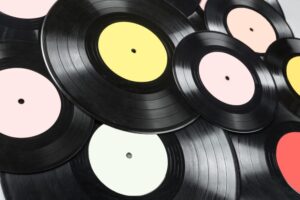
The resurgence of vinyl records is not only a popular trend for the younger generation; Baby boomers are also rediscovering their love for vinyl records. Nearly 36% of baby boomer households – the highest proportion of any age group surveyed – said they were willing to spend money on vinyl records, according to survey group YouGov. For many baby boomers, vinyl is about more than just the music; They’re about the experience of playing the record, the artwork, and a richer, more authentic sound. The return to vinyl combines nostalgia with a desire for a more tangible connection to music.
5. Collect statues
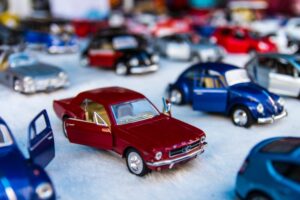
Collectible statues, especially those from a baby boomer’s childhood or favorite historical period, remain popular among this generation. Whether it’s a porcelain doll, a model car, or a statue from a beloved TV show or movie, these objects represent a piece of history and personal interest that baby boomers love to be a part of. The reason for this is that baby boomers inherited a tendency to buy collectibles from their parents, the Silent Generation (1925 to 1945), and grew up during a period of economic expansion, which gave them the ability to buy collectibles.
6. CD collection

Just like baby boomers love vinyl records, they often have large collections of CDs. These CDs don’t just contain music; They are about the artwork, the liner notes, and the act of selecting and playing a CD. For baby boomers, this collection is their personal music library curated over the years, filled with memories and favorite tunes.
7. Decorative collectibles
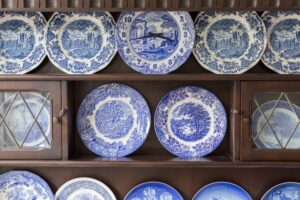
Baby boomers have a strong interest in decorative collectibles. Items such as commemorative plates and limited-edition artwork may not have a functional purpose, but they have sentimental value and aesthetic appeal. These collectibles often represent personal interests, travels, or important life events, making them treasured possessions.
8. Garden tools and decorations
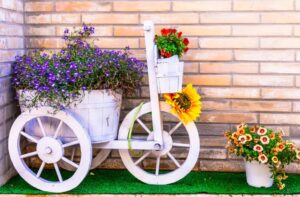
Many baby boomers have a keen interest in gardening. This is partly due to concerns among baby boomers about clean living and healthy aging. This appreciation of gardening leads to the purchase of a variety of non-essential gardening tools and decorations. From professional pruners to decorative garden stakes and wind chimes, these items enhance the gardening experience and enhance the beauty of your outdoor space.
9. Thesis plan and journal

In general, baby boomers trust print media more than digital media. So, despite the plethora of digital planning tools available, there are still a large number of baby boomers who prefer the tactile experience of paper planners and journals. Writing down appointments, ideas, and to-do lists by hand can provide a level of engagement and focus that digital devices can’t replicate.
10. Antique furniture
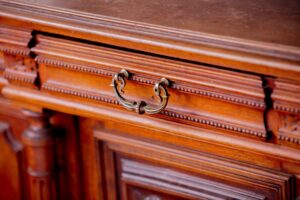
Unlike other generations, baby boomers are more likely to own antique furniture. This is due to several reasons. Unlike Millennials or Gen Z, Baby Boomers are more likely to live in larger homes in the suburbs and therefore have room for larger antiques. Baby boomers also tend to inherit household items from their parents, they are the silent generation and they love antique furniture.
For baby boomers, antique furniture is also about the aesthetics of the furniture—vintage furniture has a history. These items often remind boomers of their childhood homes or represent an era they admired, making them valuable non-essential items.
11. Specialty tea and coffee

Baby boomers have traditionally preferred basic functional beverages over premium or pre-made products. However, this is changing. Baby boomers are increasingly concerned about their health and therefore more interested in specialty teas and coffees.
This changing trend is also driven by changes in the living environment. Baby boomers are mostly retired and therefore prefer to spend less on luxury goods. So for baby boomers, these are not just drinks, they are experiences to be savored. From rare tea blends to gourmet coffee beans, these purchases reflect their desire for quality and luxurious moments in their daily lives.
Why these discretionary items are so popular with baby boomers

Ultimately, while some may view these purchases as boomer non-essentials, they represent a mixture of nostalgia, quality of life, and personal interest. These items not only serve a practical purpose but also enrich lives through experiences and memories that are important to them.
You might also like…
Should baby boomers legislate for a future they can’t live in?
Why baby boomers are hoarding wealth while their kids can’t afford groceries
Yes, baby boomers bought homes for peanuts, and it’s costing you
14 Good Habits Baby Boomers Still Have and You Should Too
Baby Boomers’ Top 10 Reasons About Homeownership: Is It Too Late for Millennials?


