

In an era of growing climate change, political instability and economic crises, some cities around the world find themselves on the brink of instability.
Here are thirteen cities facing imminent threats, urging residents and visitors to seriously consider the risks.
1. Venice, Italy: Sunken Beauty
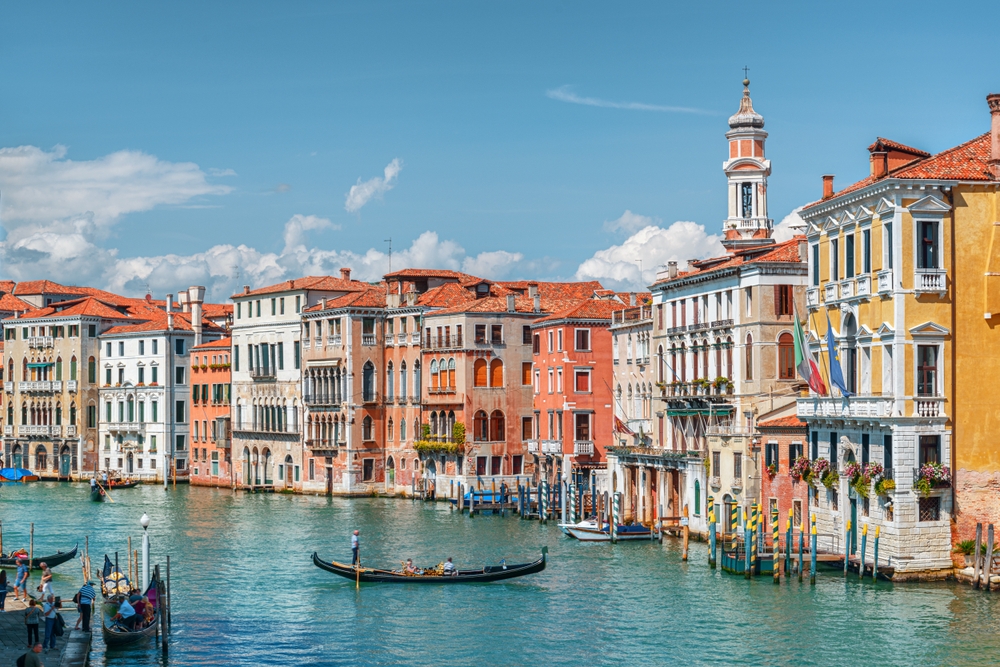
Beyond its romantic gondolas and Renaissance art, Venice faces a dire future. The city is sinking at a rate of 1-2 millimeters per year. The MOSE project, a flood barrier system, is underway, but many fear it is too little, too late. Rising sea levels caused by climate change are exacerbating the predicament, threatening not just their buildings but their very existence.
2. Jakarta, Indonesia: Drowning under pressure
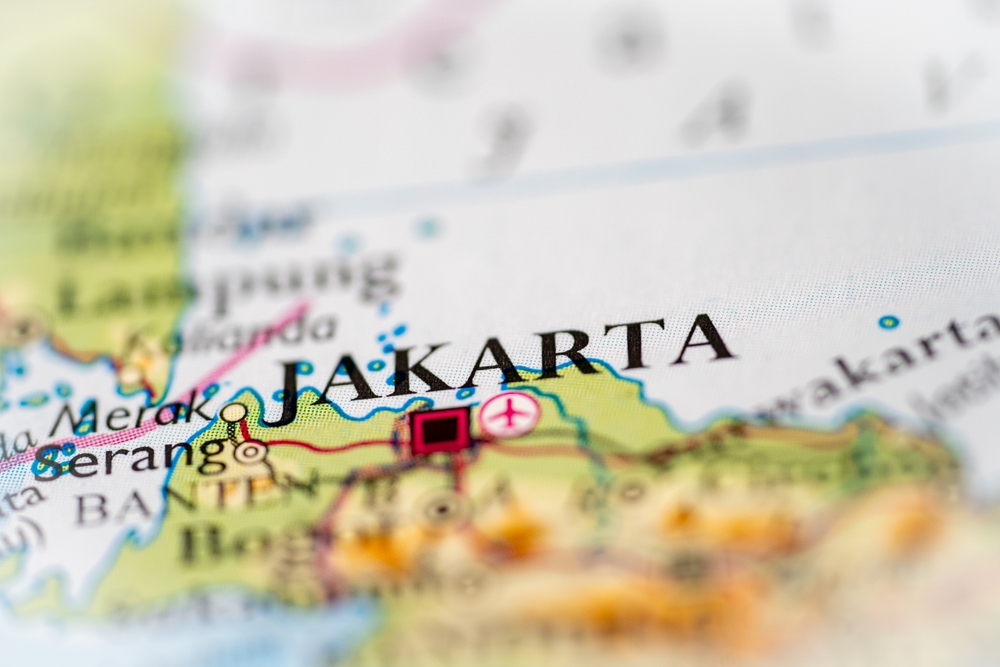
Jakarta is one of the fastest sinking cities in the world, with one-third of the city likely to be submerged by 2050. The city’s overexploitation of groundwater to meet daily needs is a major cause, a problem exacerbated by the weight of the city’s buildings pressing onto the land.
3. San Francisco, USA: Earthquake Warning
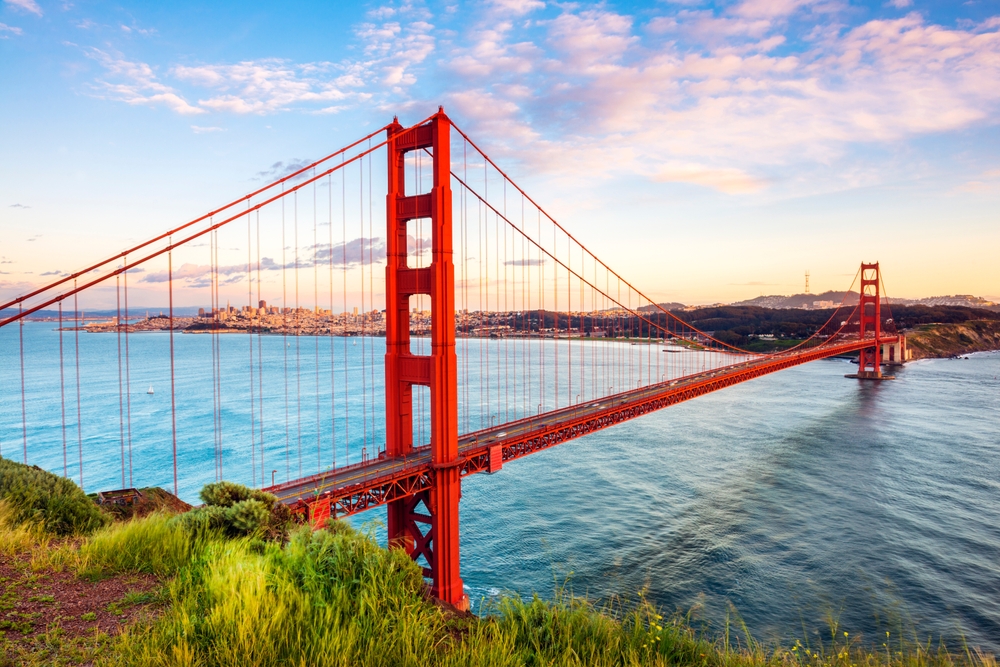
Experts predict a 72% chance of a major earthquake in San Francisco within the next 30 years. The city’s infrastructure, although improved since the 1989 Loma Prieta earthquake, remains fragile, especially older buildings and bridges.
4. Mexico City, Mexico: The crumbling capital
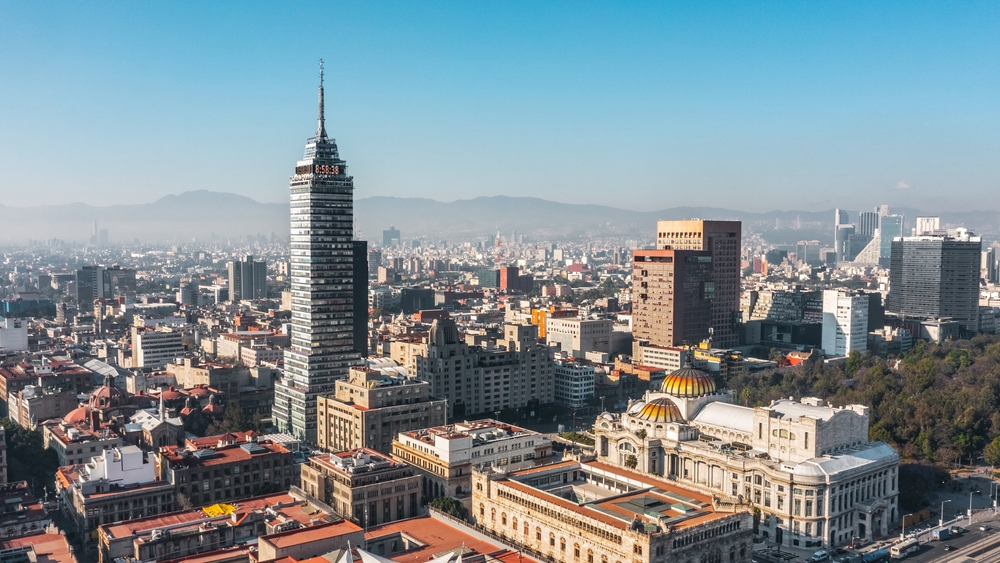
Mexico City sits on a former lake bed, where seismic waves are amplified. Earthquakes in 1985 and 2017 caused catastrophic damage, highlighting ongoing risks. The city continues to increase earthquake preparedness, but the risk remains high.
5. Dhaka, Bangladesh: Floods and Crowds
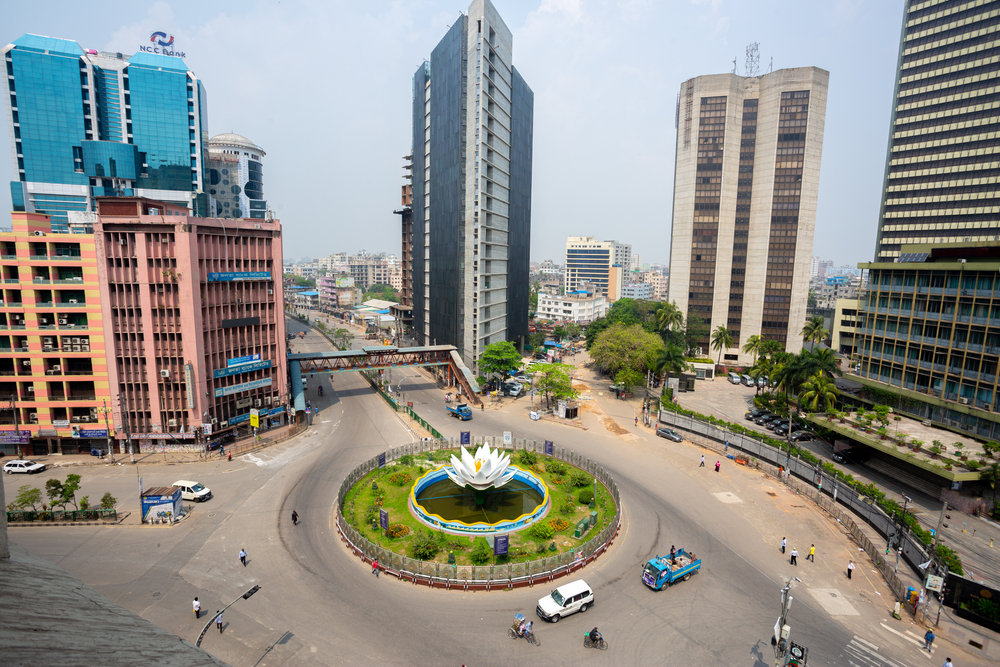
Dhaka’s more than 21 million people are crammed into a small area, exacerbating the effects of frequent river flooding. Climate change is expected to increase the intensity and frequency of these floods, further straining the city’s limited infrastructure.
6. Miami, USA: Rising sea levels, sinking future
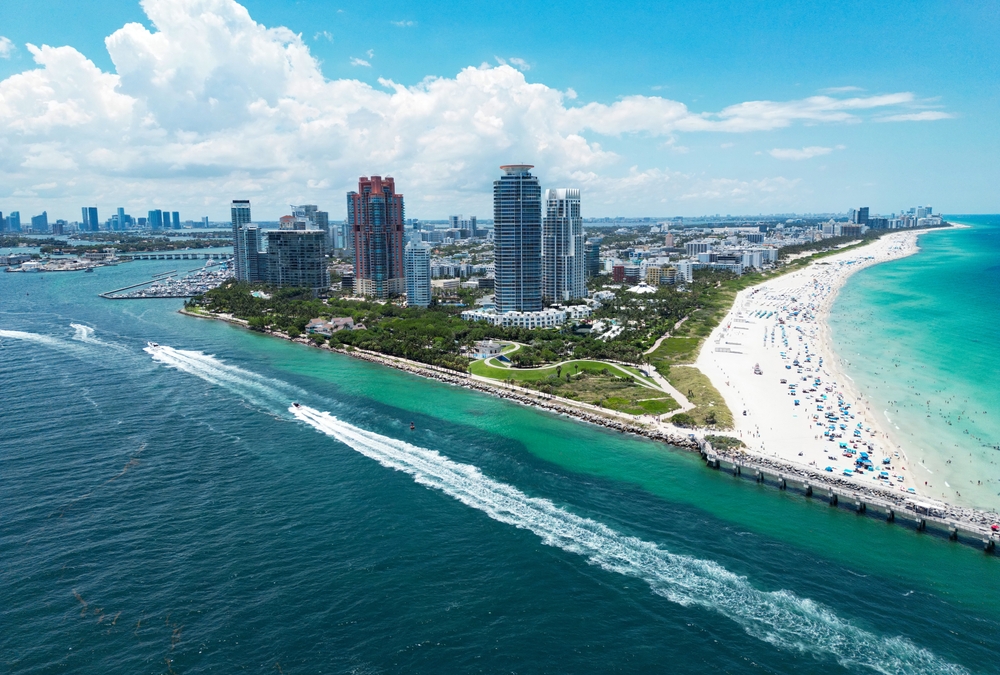
Because much of Miami is only about 6 feet above sea level, it is particularly vulnerable to rising sea levels. Saltwater intrusion into freshwater aquifers is another serious problem that threatens the city’s water supply.
7. Beijing, China: Choking in the Air
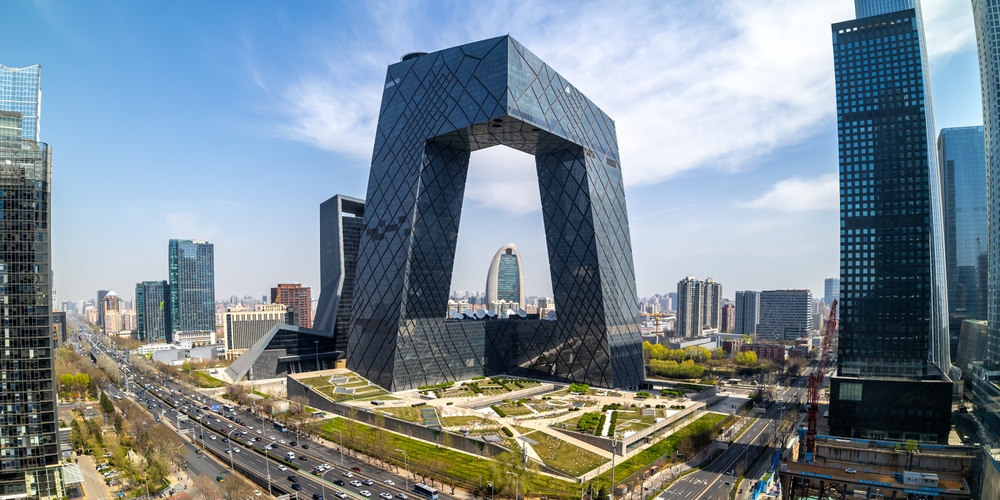
Beijing’s air pollution, mainly from coal burning and vehicle emissions, often exceeds World Health Organization safety limits. The government has taken steps to reduce pollution, but the city’s air quality still poses a significant health risk.
8. Chennai, India: Water Crisis
In 2019, Chennai’s reservoirs ran dry, leaving millions without water. Rapid urbanization and poor water management practices increase urban vulnerability. The city is working to improve its water management system, but the threat of future water shortages remains.
9. Los Angeles, USA: Wildfire concerns
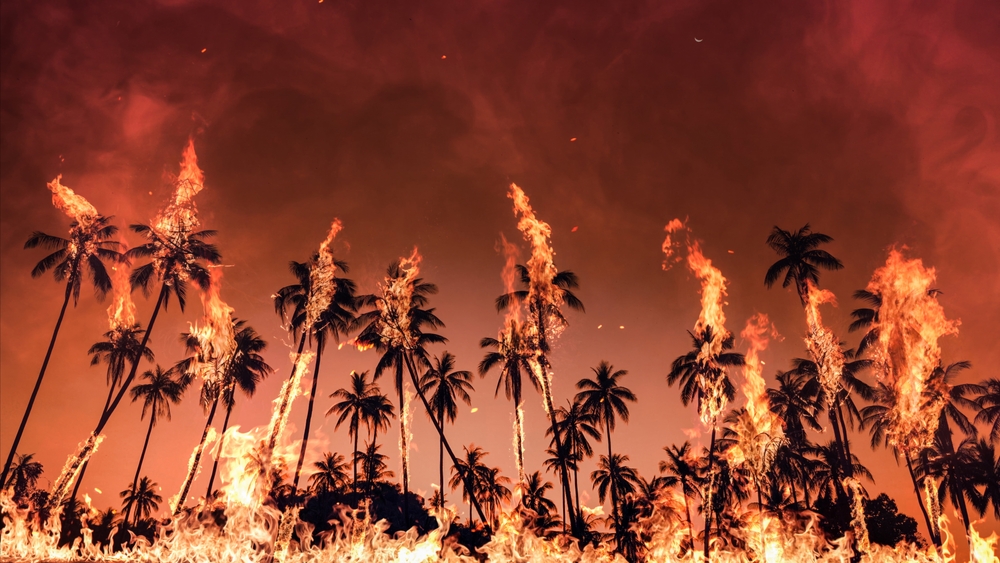
Los Angeles’ geography makes it particularly vulnerable to wildfires, which are exacerbated by climate change and urban sprawl. The city is developing fire prevention and management strategies, but the increasing frequency and intensity of wildfires pose an ongoing threat.
10. Kyoto, Japan: A submerged gem
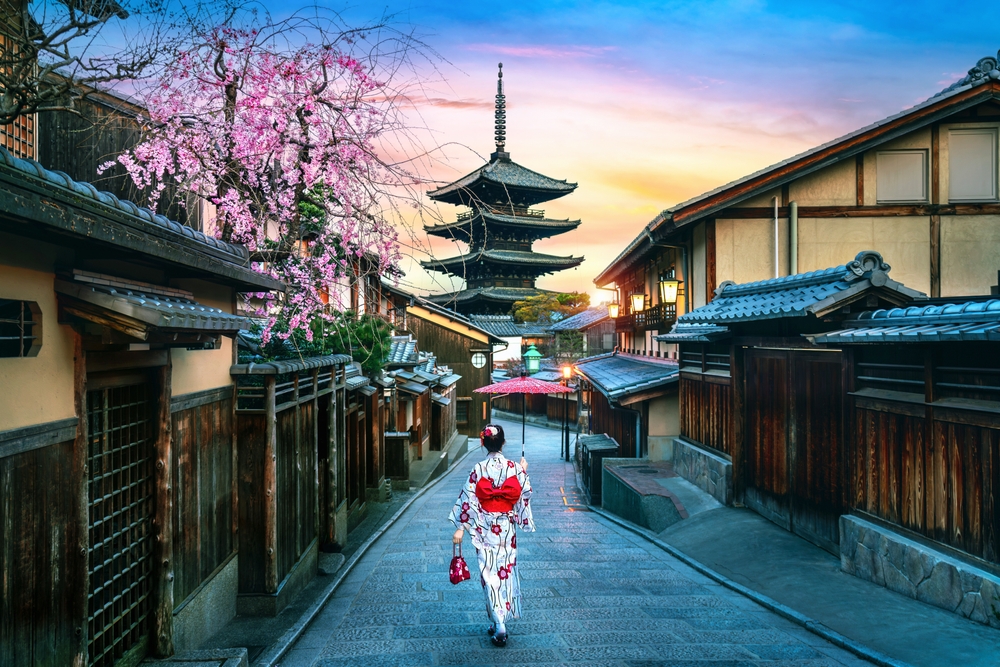
Kyoto’s traditional wooden buildings are particularly vulnerable to flood damage. The city is working to improve drainage and river banks, but increasingly unpredictable weather patterns continue to pose risks.
11. Cape Town, South Africa: Drought and despair
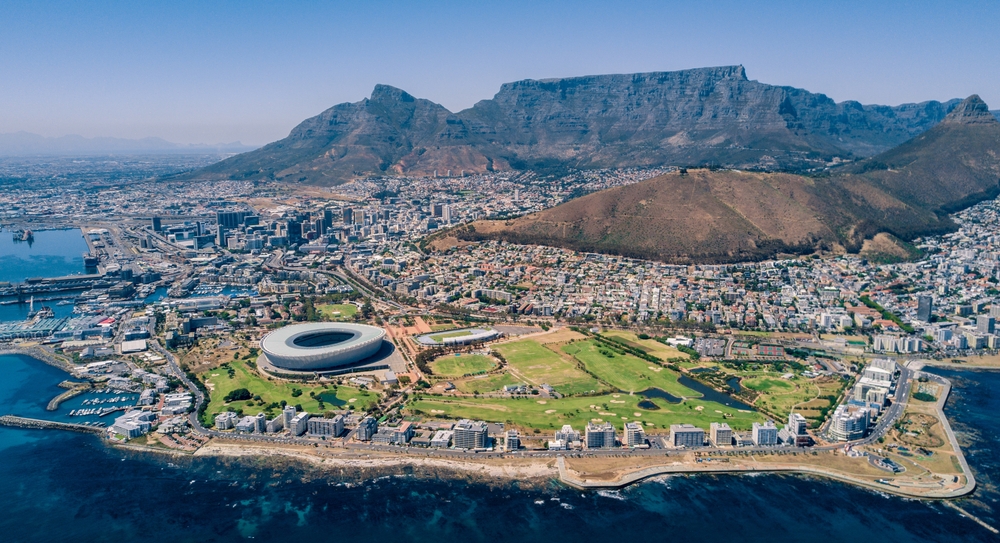
Cape Town’s 2018 water crisis was a wake-up call about the impact of prolonged drought. Although the city has since made efforts to diversify its water sources and promote conservation, the threat of future water shortages remains a serious concern.
12. New Orleans, USA: Hurricane Haven
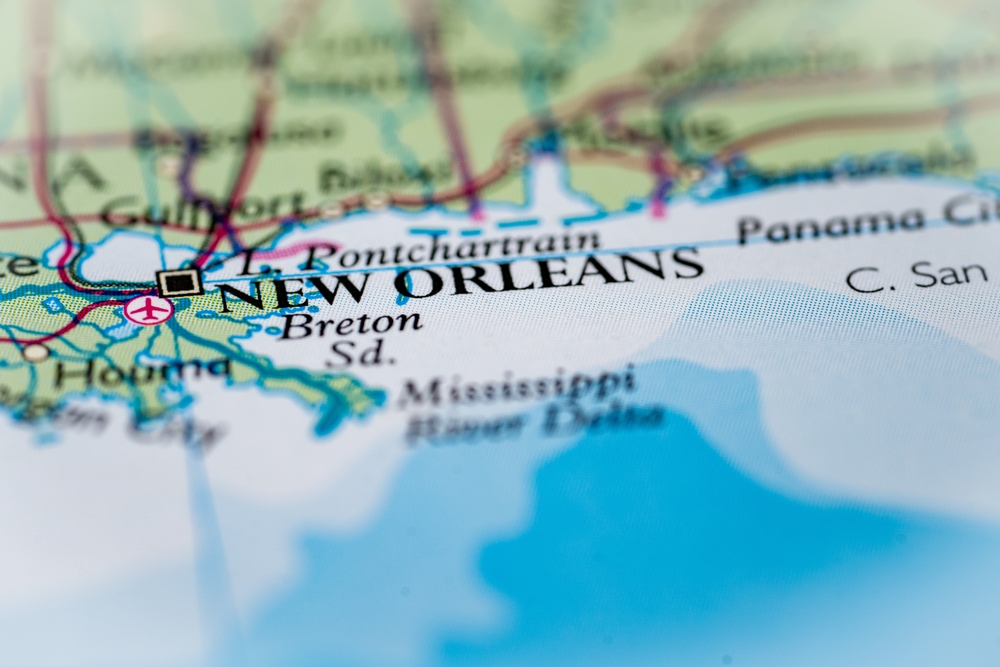
The devastation of Hurricane Katrina in 2005 exposed the city’s fragility. Despite efforts to strengthen levees and improve evacuation plans, New Orleans remains at risk, especially as climate change causes hurricanes to become more intense.
13. Moscow, Russia: Cold Edge
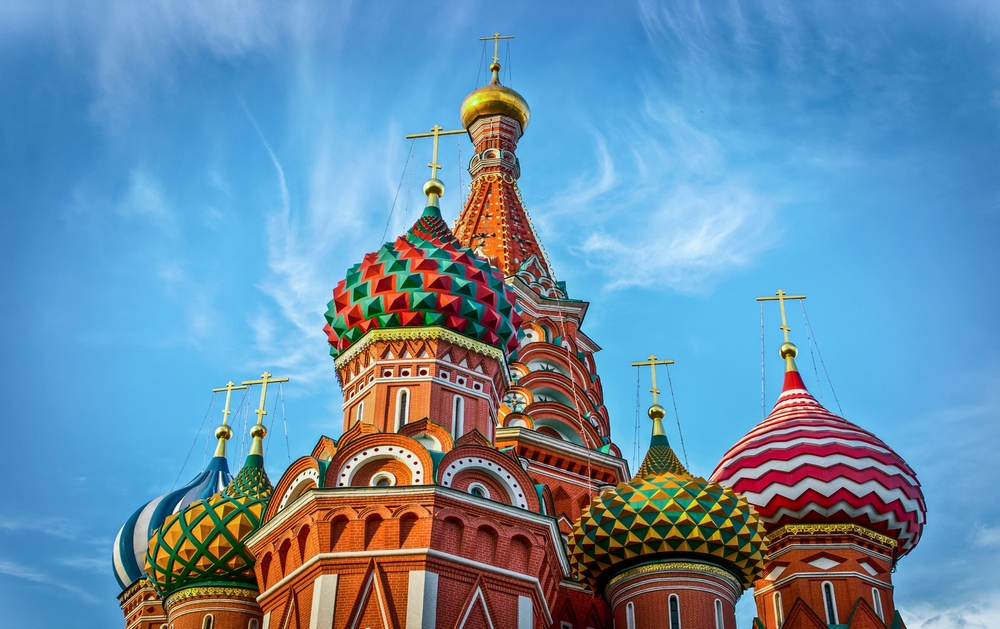
Moscow’s winter temperatures drop below -25°C, putting pressure on the city’s infrastructure and energy needs. The extreme cold affected transportation, medical services and daily life, posing major challenges for residents.
urban challenges
These expanded details provide a clearer picture of the specific challenges facing each city. Understanding these issues is critical to developing effective strategies to mitigate these risks and protect the residents and heritage of these unique urban centres.


