

Divorce is a life-changing event that can reshape your world in ways you never expected. As you deal with emotional and logistical upheaval, some aspects of your daily life and relationships inevitably disappear. These changes are both daunting and liberating, propelling you toward a new beginning. Knowing what to expect can help you cope with this time of change and find strength.
1. Shared vacation
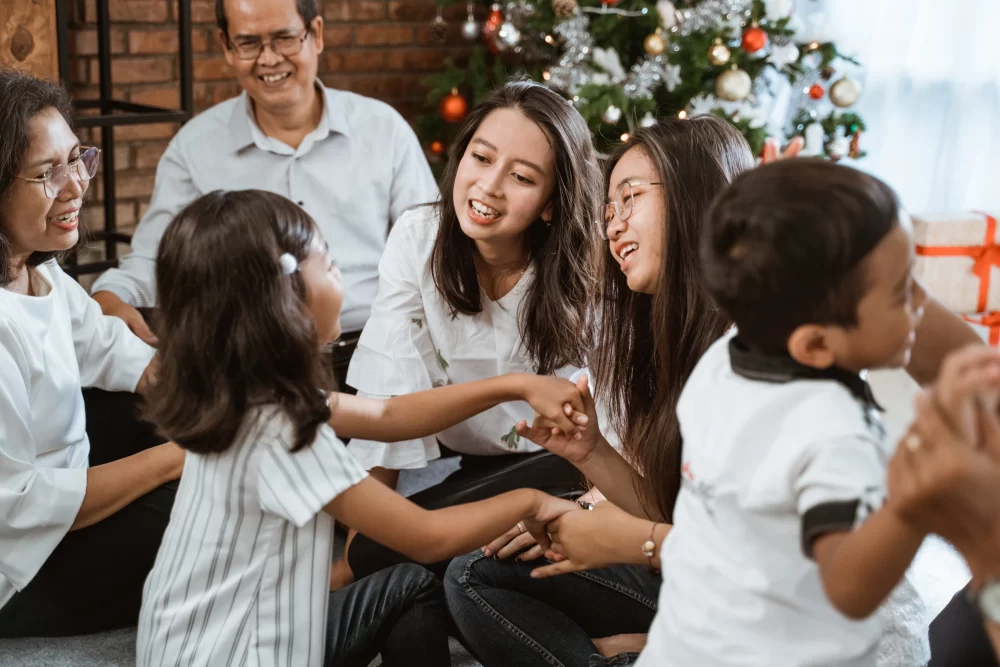
Holidays spent with your ex-spouse and family may become a thing of the past. Traditions and gatherings may change, resulting in new dynamics and celebrations that are very different than before. This transition can be challenging because it involves adapting to new routines and sometimes even creating entirely new traditions.
The lack of shared holidays can also affect children and extended family members. Navigating these changes requires communication and sometimes mediation to ensure the holiday remains special and inclusive for everyone involved.
2. Money

Divorce is often the equivalent of dropping a nuclear weapon on your finances. The average cost of divorce in the United States is $15,000, including attorney fees, court fees and related costs. After divorce, household income drops by up to 50% for families with children.
Nearly 50% of parents with children fall into poverty after divorce, and 60% of those at the poverty line are divorced women and children. Divorced women face greater financial hardship, with 27% reporting annual household incomes of less than $25,000, compared with 17% of divorced men.
Managing finances as a single person contrasts sharply with managing finances in a marriage. Joint accounts, joint investments and shared financial goals are replaced by individual financial responsibility and planning. This transition often requires learning new financial skills and reassessing your financial future.
3. Mutual friends

After a divorce, social circles often change. Once mutual friends may drift apart or take sides, leading to feelings of loss and isolation. Rebuilding social networks becomes crucial, as new friendships can provide much-needed support and companionship.
The dynamics of social gatherings will also change, as invitations and interactions may change. This time can be an opportunity to rediscover personal interests and hobbies, leading to new and fulfilling social relationships.
4. Couple activities

Activities once enjoyed as a couple, such as date nights or weekend getaways, may disappear. These shared experiences often need to be redefined or replaced with new personal pursuits or activities with friends. This transition can be isolating, but it can also lead to self-discovery and personal growth.
Rediscovering an old hobby or exploring a new interest can be incredibly satisfying. Now is the time to focus on personal happiness and find joy in activities that may have been put on hold during marriage.
5. Family gathering
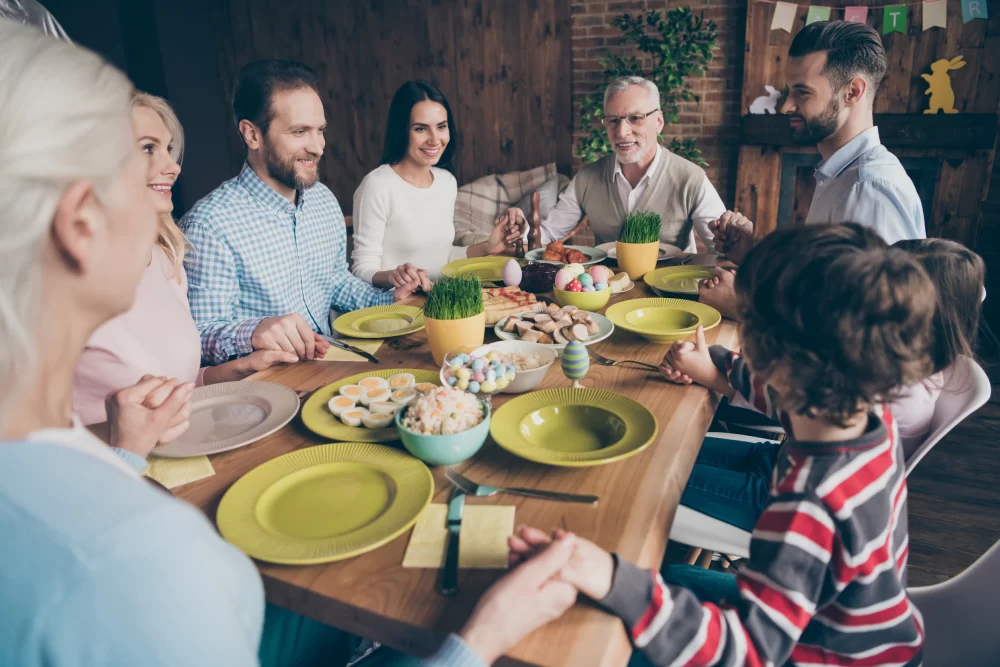
In-law and extended family gatherings may become less frequent or nonexistent. After divorce, the close ties formed with your ex-spouse’s family can be difficult to maintain, leading to feelings of loss and alienation.
Creating new family traditions and focusing on your extended family can help fill this gap. It is important to cultivate supportive and caring relationships during this transitional time.
6. Emotional support

The emotional support that a spouse once provided often needs to be sought from other sources. Friends, family, or a professional counselor are vital in coping with the emotional ups and downs of life after divorce.
Learning to rely on yourself for emotional strength builds strength. This is an opportunity to develop resilience and independence, and develop a stronger sense of self-worth and confidence.
7. Sense of routine

Divorce destroys the daily routines established during a marriage. From morning rituals to weekend plans, these routines must be redefined. This may be unsettling initially, but will eventually lead to the formation of new habits and schedules.
Embracing flexibility and being willing to change can make this transition smoother. Establishing new habits that reflect personal needs and desires can be a positive step forward.
8. Joint decision

The collaborative decision-making process that comes with marriage is often lost. Decisions about family, children, and future plans now rest entirely on one person’s shoulders, which is both liberating and overwhelming.
This newfound autonomy allows for personal growth and the pursuit of personal goals. This is an opportunity to make decisions that are closely aligned with personal values and desires.
9. Common goals

Shared goals and dreams developed during marriage, such as buying a house or traveling, often disappear. This transition may feel like a loss, but it also provides an opportunity to set new personal goals and aspirations.
Creating a vision of the future independent of the past is both exciting and rewarding. This is an opportunity to rediscover what truly matters and pursue those dreams with renewed vigor. In fact, many divorced couples with children are still able to work together and set goals for their children and parenting despite their divorce.
10. Co-parenting

Co-parenting requires a different approach than parenting within marriage. Coordinating schedules, maintaining consistency, and ensuring effective communication with your ex-spouse are all part of the new parenting dynamic.
Co-parenting, while challenging, can also strengthen your relationship with your children. This is an opportunity to focus on creating a stable and loving environment, ensuring the children’s well-being is a priority.
11. Home environment

After a divorce, familiar family circumstances often change. Whether it’s moving to a new place or changing your existing living space, these changes can be emotionally taxing, but they also offer a fresh start.
A personalized new living space can be therapeutic. This is an opportunity to create a home that reflects personal taste and provides comfort and security.
12.Daily communication

Daily communication with your spouse disappears, and family life becomes quieter. This can be an adjustment but also provides space for self-reflection and personal growth.
It may be beneficial to fill this gap through meaningful interactions with friends, family, or journaling. This is an opportunity to focus on personal interests and learn more about yourself.
Forge ahead
Divorce marks the end of certain aspects of life, but it also opens the door to new beginnings. Adapting to these changes with a positive mindset and a focus on personal growth can lead to a fulfilling and independent life. Explore new opportunities, make meaningful connections, and create a future that reflects your authentic self.
Finally, if you are reading this because you are thinking about what would happen if you got married and then divorced, consider signing a prenuptial agreement. They are often a great way to protect your assets and reduce some of the worries you have about getting married.
After the divorce, what things have disappeared from your life that you miss? Share your memories in the comments.
Editor’s note: A previous version of this article was generated with the help of artificial intelligence. All facts are checked and articles are edited by humans.


